
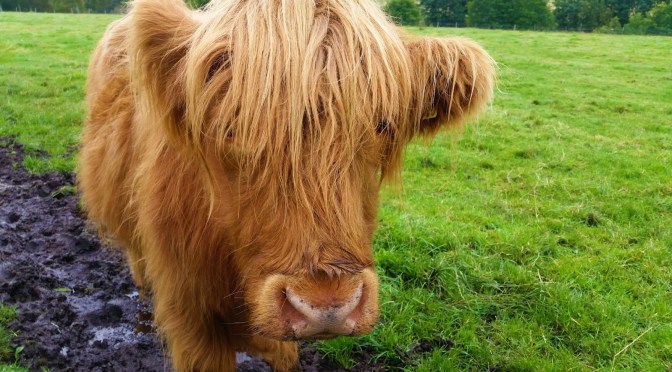
I have not been very good at keeping up with my travels, so this is still from my trip to Scotland mid-September…
Trees for Life
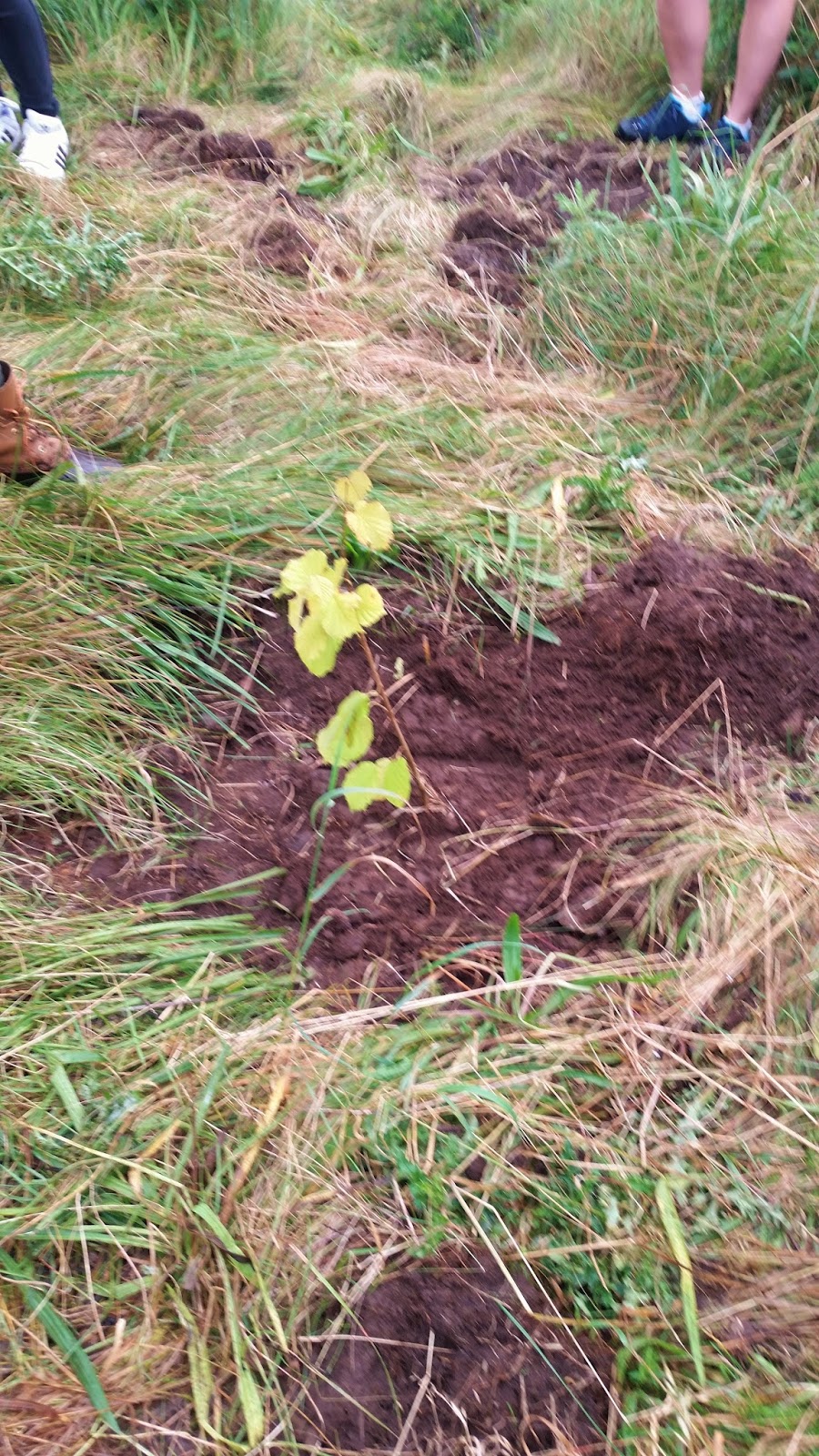 |
| Hazel tree |
Day 4 on the Haggis tour was a very busy one. We left our hostel near the shores of Loch Ness, and made our way to Trees For Life, “a conservation charity dedicated to the restoration of the Caledonian Forest.” Here, our tour group participated in planting 2 native species of tree, a birch tree and a hazel tree. Due to time and manpower constraints, we were only able to plant 2 trees for the entire group. Many of us had hoped to plant a tree each (30 trees), but the time that it would take to dig all of the holes (the charity’s volunteers pre-dig the ground) meant that it was not possible. It is something that the charity is keeping in mind, and we discovered that you can do trips specifically to plant trees. One of the volunteers was a year 2 (grade 2) teacher, who is also taking a year off to refresh himself after 20 years in the classroom. If you would like to learn more about Trees for life, you can find out about the charity here.
Coos!
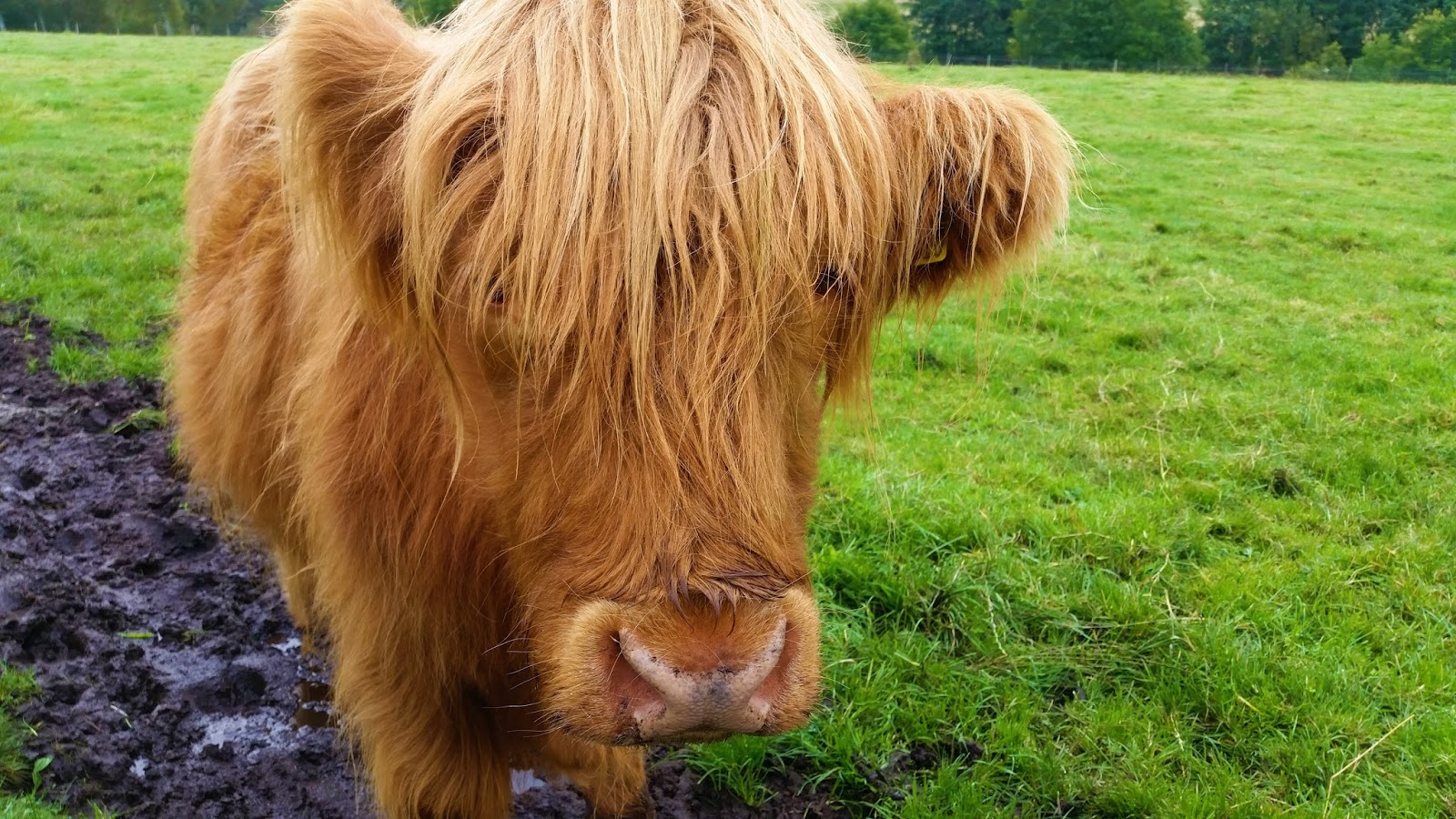
It is funny how the highlight for many of us was our stop to take pictures with the hairy coos, or highland cows. They are hairy, and absolutely adorable!! It is funny how such a small thing could be such a big highlight for us! They are just as smelly as regular cows, but Gill got us some food to feed them, and we happily obliged. For those interested, their tongues are quite rough, and they slobber a lot!
Culloden
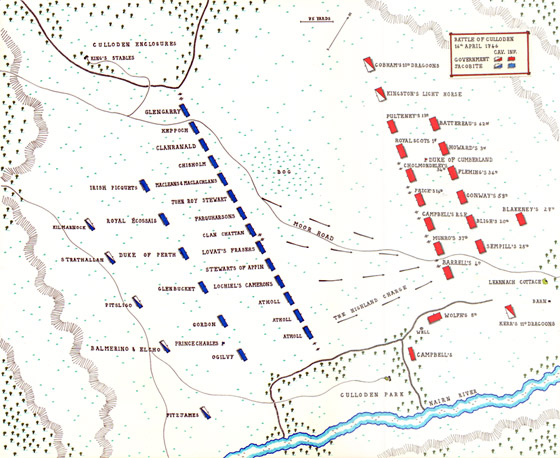 |
| http://www.britishbattles.com/images/culloden/culloden-560.jpg |
Passing through Invermoriston, we headed towards Culloden. It was a sobering experience, as we pulled up to the fog covered battlefield where many Jacobites (largely Highlanders) lost their lives at the Battle of Culloden on April 16, 1746. The Jacobite army was fighting to return a “Stuart” to the throne. Bonnie Prince Charlie, or Charles Edward Stuart, was attempting to regain the throne and return Roman Catholicism to Scotland (as heirs of James VII of Scotland, and II of England). Unfortunately, this was the final battle in the Jacobite uprising, as both the Government and Jacobite armies took to the moor. As it was April, I can imagine that it would have been very boggy, and cold, and quite frankly terrifying for many involved. The battle only lasted about an hour, but was very bloody, with muskets, bayonets, cannons, swords and hand to hand combat if needed. The famed Highland charge was not effective on the marshy ground. The Jacobites lost between 1500-2000 men. By comparison, the Government army lost at most 150 men.

 |
| Memorial to the fallen |
Arriving in the fog put many of us in a pensive/reflective mood, and I found that it didn’t seem appropriate to talk to others, or take many pictures. This is a place where you come to pay your respects, not to take touristy photos. I could almost imagine myself there, feeling how large the loss of life was. You could feel it in the air, how important this place is in history. It is also shocking to see how close together the two armies were when they began their battle. It is something that I cannot understand, even though I have learned about many a battle like this (Plains of Abraham, WWI, WWII). It must have been so tough for those young men to walk out onto the battlefield, line themselves up facing their enemy, close enough to see the facial expressions of each other, and then charge your enemy. And nowadays, most soldiers don’t even know where there enemy lies. The psychological impact of war is so big, and yet for someone who has not experienced it, I don’t think we will ever understand. I think it is important for people to visit sites like these, and to remember that what we have today is a result of the sacrifice of others.
Tomatin Scotch Distillery
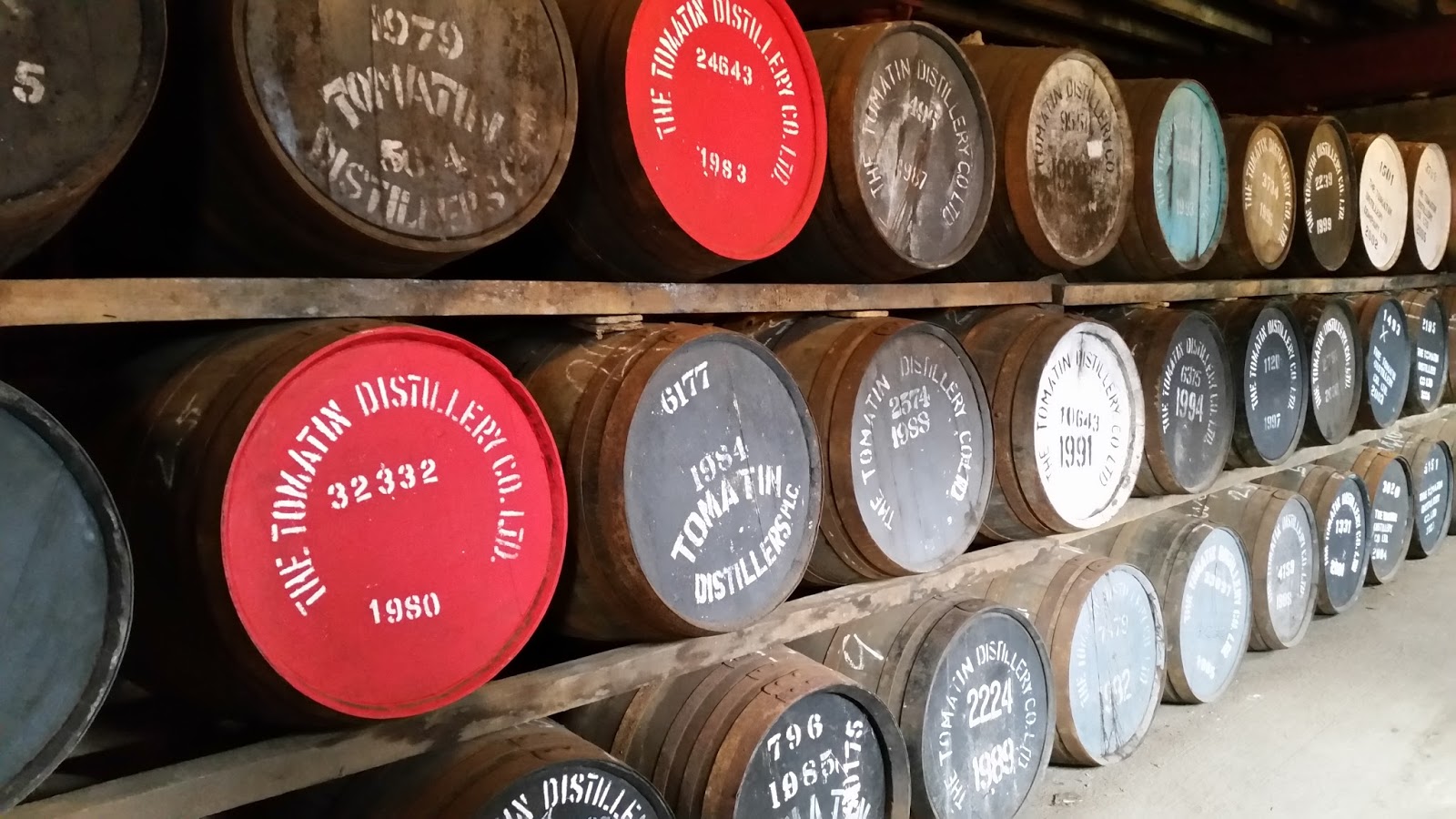
To take the edge off of what we just experienced at Culloden, we headed next to the Tomatin Distillery, where we had a tour of the inner workings, and then had our tasting. I am learning to appreciate Scotch, although I do believe that age has something to do with it! (I couldn’t stand it when I was in Scotland 10 years ago!). To be considered Scotch whiskey, the spirit must be made from malted grain (barley), use only Scottish water, aged in a cask (usually oak) for at least 3 years and be bottled in Scotland, containing no other ingredients than water, the spirit and possibly plain caramel colouring. The smell of the malted barley is quite nice!
Inverness
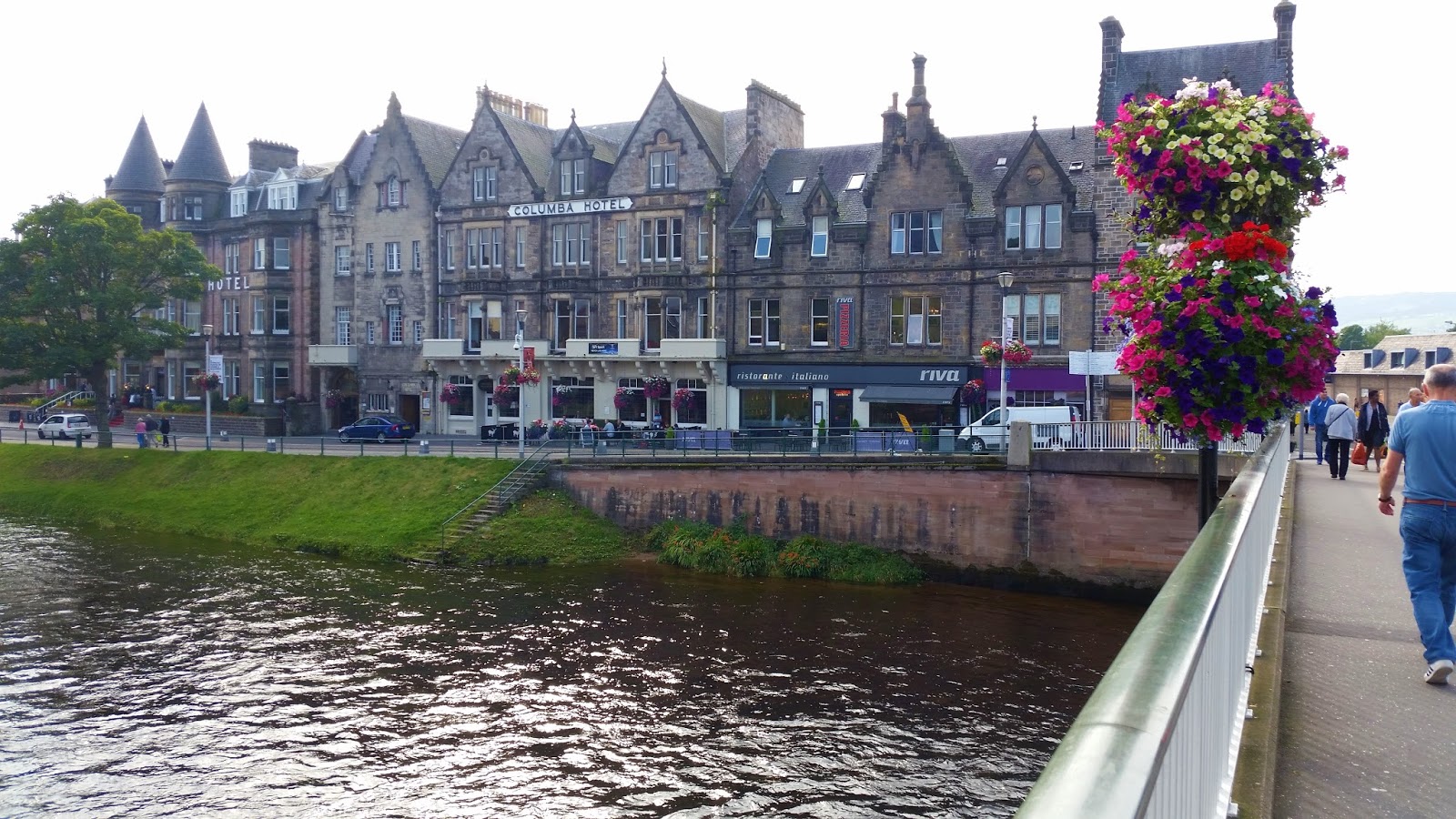
After making our purchases, we headed into Inverness to fill our bellies and take a little break from the bus. After some pizza, I went into a few shops, and then wandered along the riverbanks. I cannot make a statement on Inverness, other than that the name means “At the mouth of the river Ness”, as I didn’t explore it to any extent.
Clava Cairns
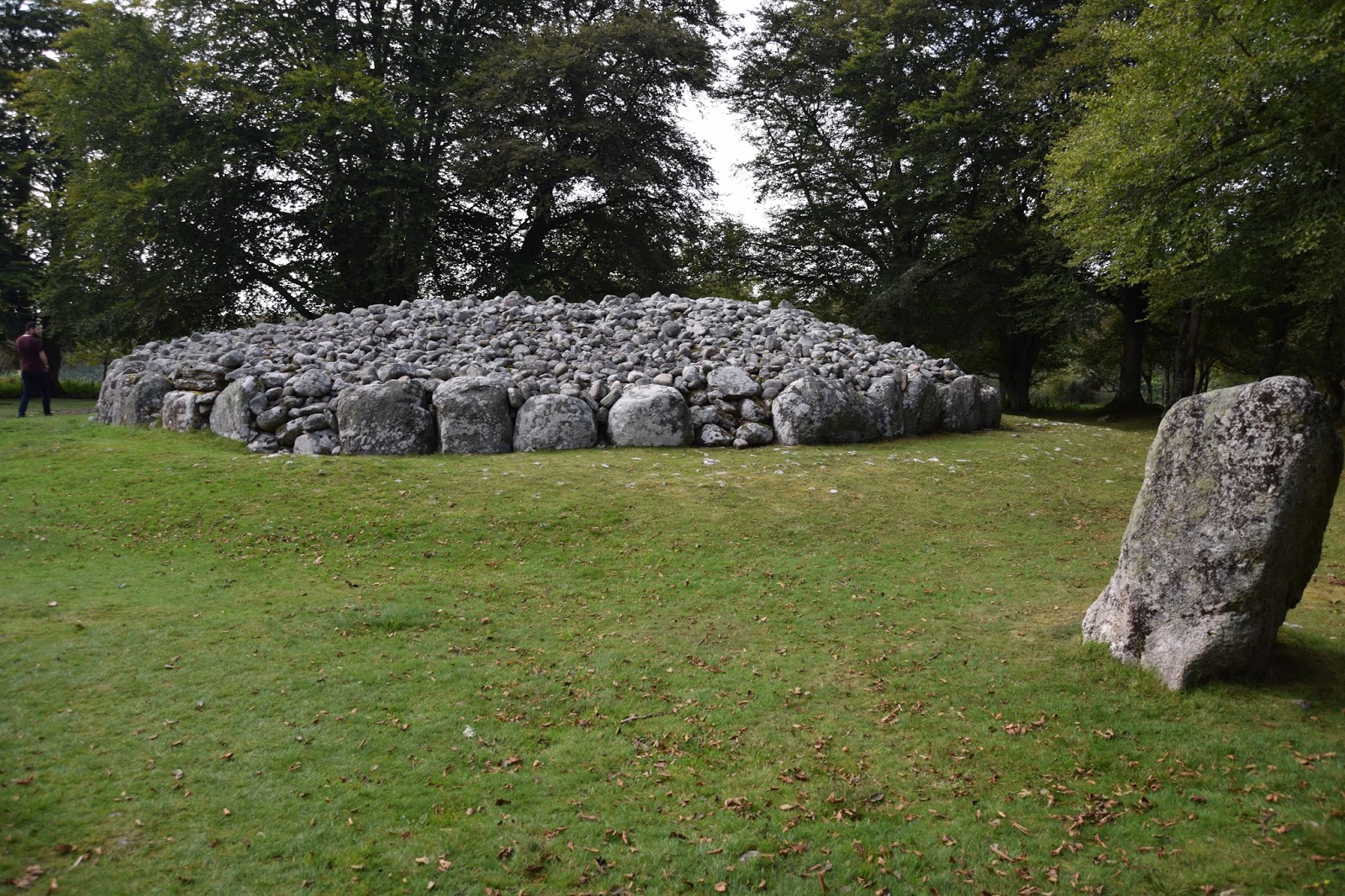 Continuing onwards, we stopped at Clava Cairns, a collection of stone circles, built approximately 4000 years ago. The best information we have, is that these stone circles were built to house the dead. There are 2 types of cairns. The northeast, and southwest circles are known as “passage graves” as they are connected to the outside world by a passage. It is thought that these cairns were once 3-10 meters high, although today, we only see about 1-2 meters. The other very interesting thing is that as you walk through the passage, you will noticeably feel a change in temperature. The stone constructions, to this day, keep the inside of the cairn about 4 degrees cooler than the outside. The passage graves are also aligned so that their passages are illuminated in a direct line by the sunlight of the winter solstice. (These cairns were built in the neolithic period, the same as Bru na Boinne in Ireland).
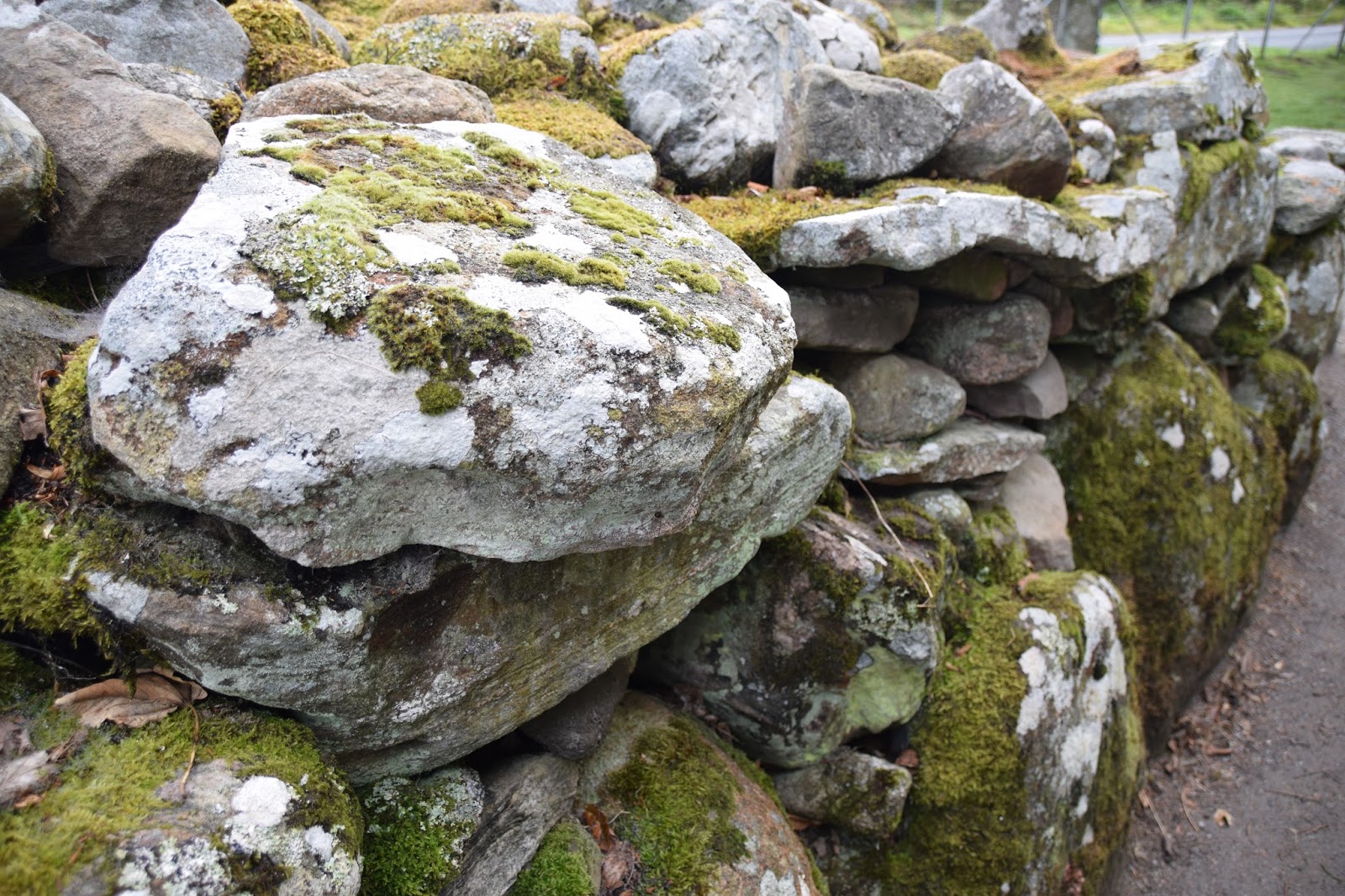 The interior cairn is known as a ring cairn, as it is enclosed completely. It is unsure what this cairn was used for, but some believe that bodies were cremated here.
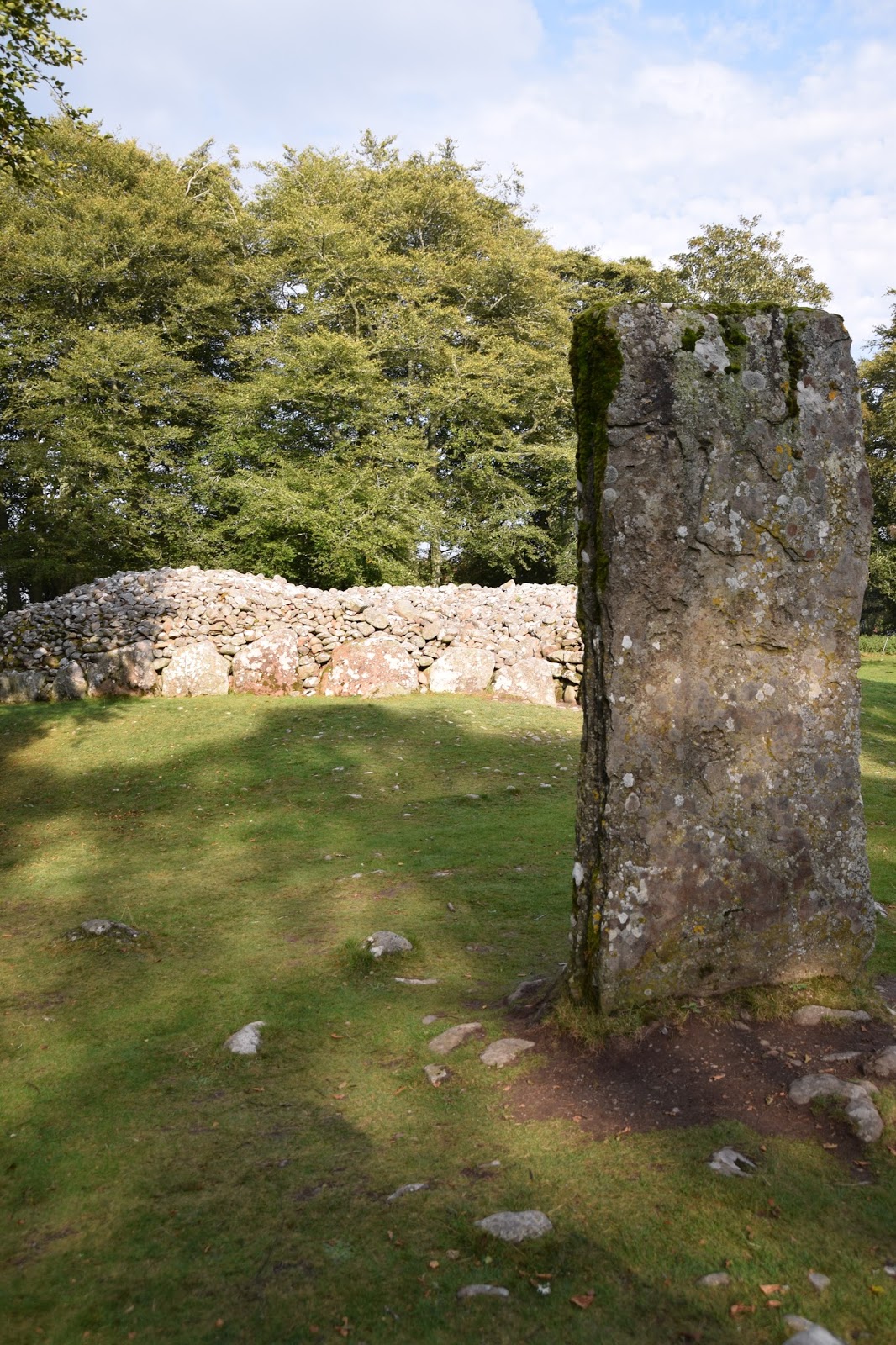
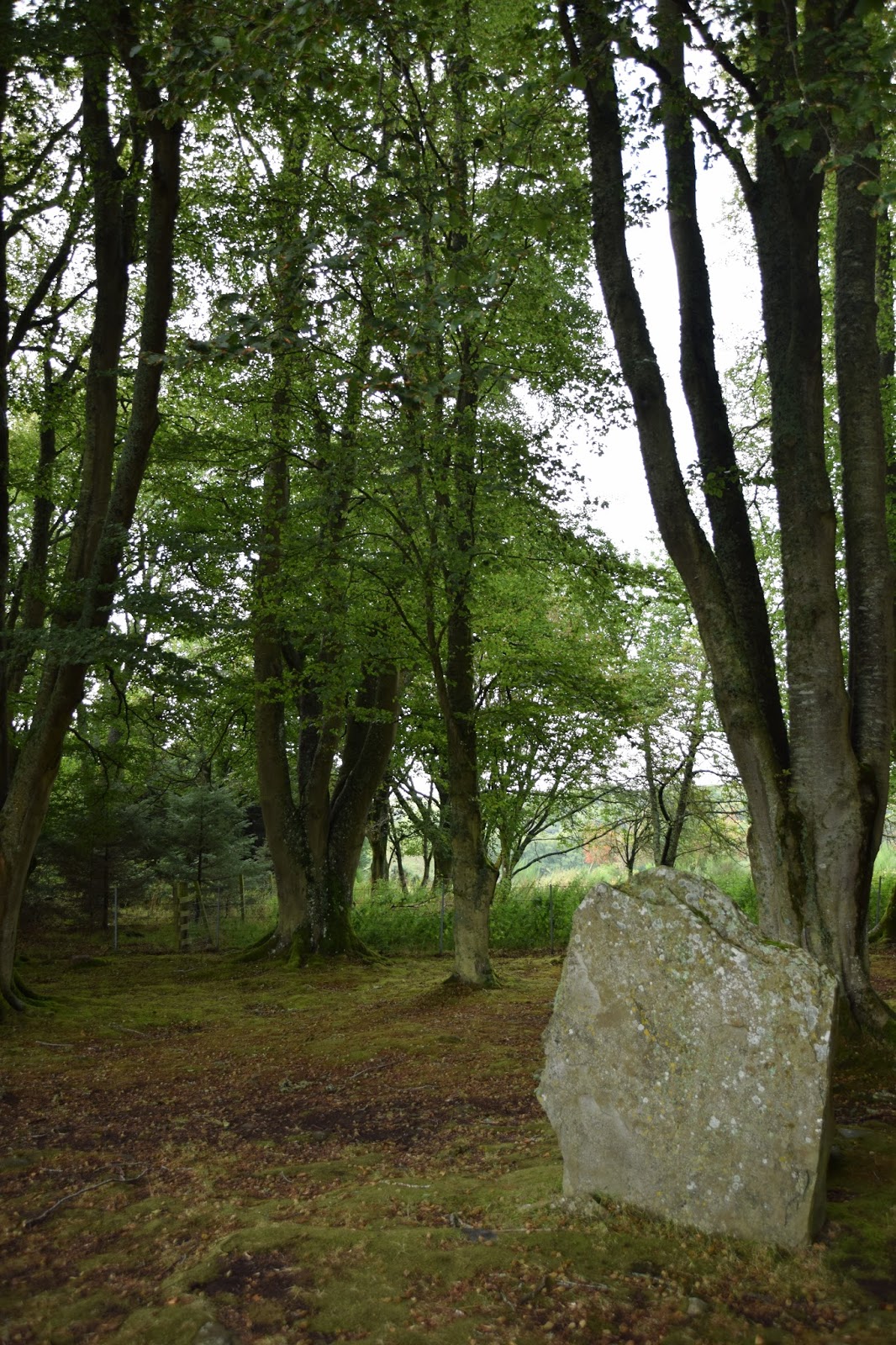 Each of the cairns is surrounded by a stone circle, although many of the stones are not standing anymore. It is thought that these cairns were built on ley lines, similar to the ones that run through Stonehenge. These lines are said to be on the energy lines of the Earth, and some believe that they could be passages into other worlds. Although none of us were transported à la Outlander, but I did have a brief fright as I scrolled through some of my photos (I had filled my memory card and needed space) I noticed a bright spot in one of my photos. This was fleeting, and when I looked again, it was no longer there. Instead, I was surrounded by the feeling that Grandma Duhault was there. This is the second time that I have felt her presence, although this time was not as strong. There may be something to the presence of spirits, as she has visited me both times when I was searching for what path to take next.
Loch Ness
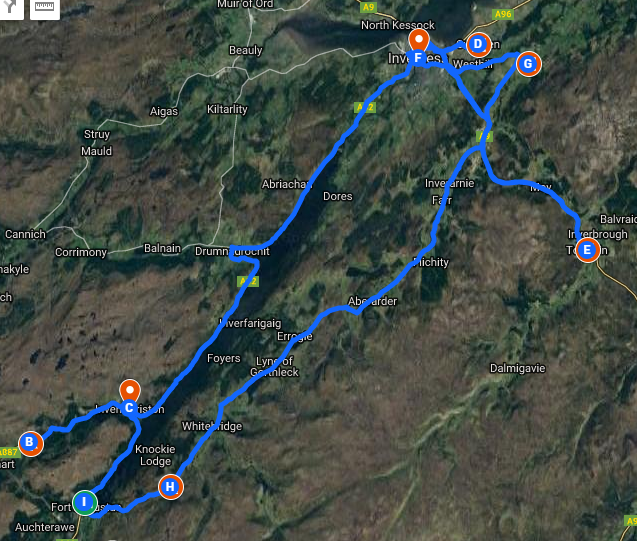
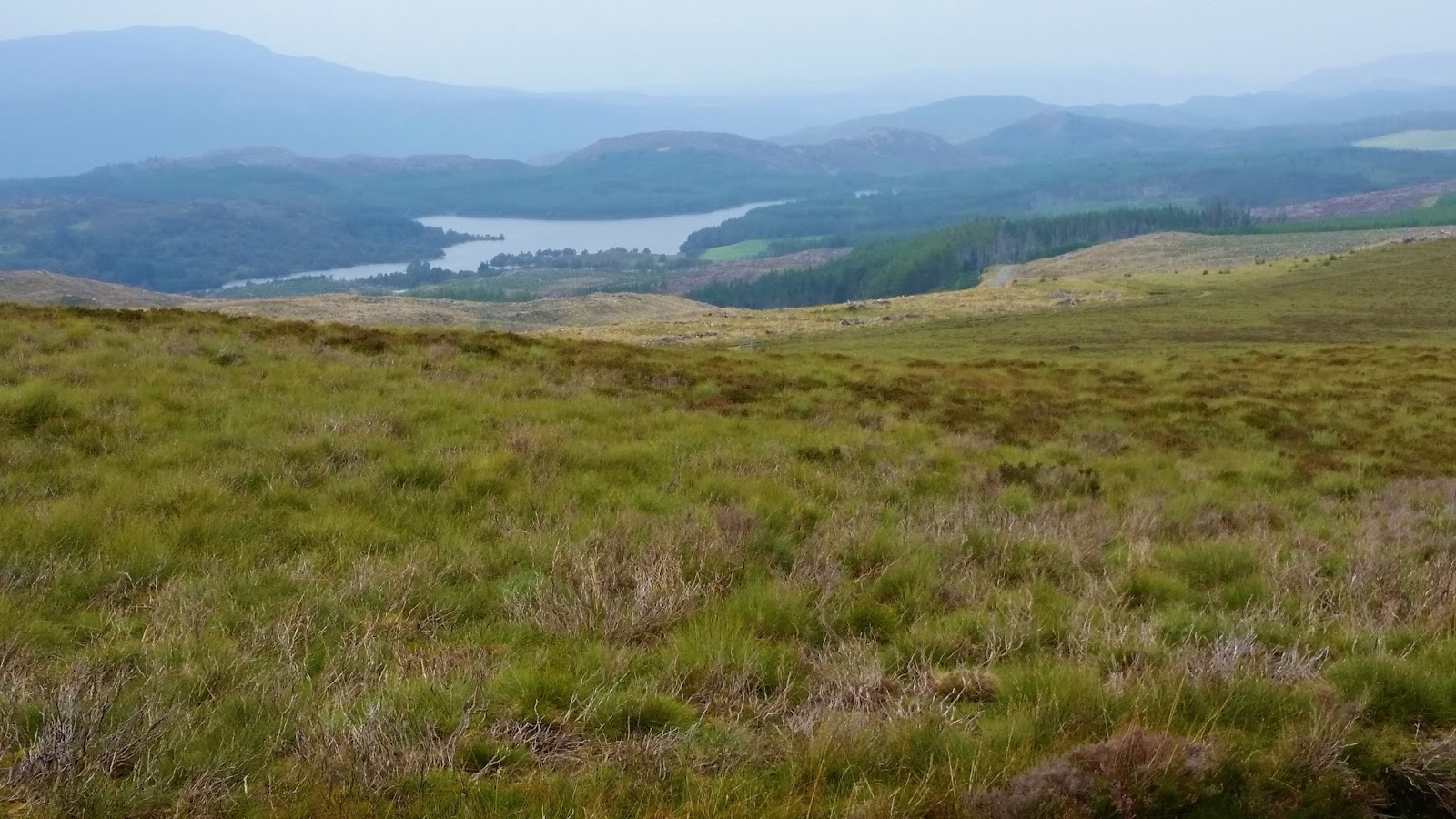 After a long day, we took the scenic back route along Loch Ness to the Suidhe viewpoint. We finished the day with a return to Fort Augustus and a lovely lasagna dinner at Morag’s Lodge. (In case I forgot to mention, we had haggis the previous night, which is very tasty. I suppose, like Scotch, haggis is an acquired taste. I couldn’t stomach it (pun intended) when I was 12, but now as an adult, I quite enjoy it!). We joined the trivia night, where our team came in second 😦 Tash did an amazing job outlasting everyone else while holding a pint straight above her head! Sadly for us though, everything in Fort Augustus closes at 10-11 pm, So, a couple of us made use of the hostel’s bar, along with some of the hostel staff, to enjoy our last night of the tour.
 Curious Julie's Colourful Adventures
